
Customer Relationship Management (CRM) systems are the backbone of modern businesses. They store critical contact information, track interactions, and help sales and marketing teams operate efficiently. However, the effectiveness of any CRM depends entirely on the quality of the data it contains. Invalid or outdated email addresses can lead to failed communications, inaccurate reporting, and wasted resources. This is where email verification plays a vital role.
In this article, we’ll explore how email verification ensures CRM hygiene, improves business efficiency, and drives better results for sales and marketing teams.
The Hidden Problem of Dirty Data
CRMs often accumulate bad data over time. This includes:
- Typographical errors in email addresses
- Temporary or disposable emails
- Outdated or inactive addresses
- Duplicates and redundant entries
- Fake or spam accounts
Studies show that up to 25% of CRM data becomes outdated each year. Dirty data reduces productivity, causes marketing campaigns to fail, and misleads business decisions. Without proper email verification, businesses risk wasting time and money on unreachable contacts.
How Email Verification Improves CRM Hygiene
1. Removes Invalid and Inactive Emails
Email verification identifies email addresses that are no longer valid or inactive, ensuring your CRM only contains active and reachable contacts. This reduces bounce rates and improves the effectiveness of campaigns and communications.
2. Detects Disposable and Temporary Emails
Many users sign up for trials, promotions, or newsletters using temporary emails. Email verification detects and filters out these addresses, protecting your CRM from fake or low-quality leads.
3. Prevents Spam Trap Issues
Spam traps are email addresses set up to catch spammers. If your CRM contains these addresses, your sender reputation could be harmed. Verification helps identify and remove these risky addresses before they impact deliverability.
4. Ensures Accurate Segmentation
Marketing and sales rely on segmentation to deliver relevant messages. Verified email lists ensure that segmentation is based on real, valid contacts, increasing engagement and conversion rates.
Benefits of Email Verification for Business Efficiency
1. Increased Productivity for Sales Teams
Sales reps waste valuable time contacting unreachable or invalid leads. Verified email addresses ensure they focus on real prospects, improving conversion rates and pipeline efficiency.
2. Enhanced Marketing Effectiveness
Clean email lists improve open rates, click-through rates, and overall campaign performance. Verified emails reduce bounces and spam complaints, protecting your sender reputation and ensuring that marketing dollars are spent effectively.
3. Reduced Operational Costs
Every email sent to an invalid address costs money, whether through email platform charges or wasted human effort. Email verification minimizes these costs by ensuring communications reach only real, active contacts.
4. Accurate Reporting and Analytics
CRM data drives business decisions. Verified email addresses provide reliable insights, enabling accurate reporting, forecasting, and strategic planning.
Real-Time vs. Batch Email Verification
Real-Time Verification
- Checks email validity as users enter their information
- Prevents invalid addresses from entering the CRM
- Ensures accurate lead capture and onboarding
Batch Verification
- Cleans existing email lists in bulk
- Identifies outdated, inactive, or high-risk addresses
- Prepares data for major campaigns or CRM migrations
Combining both approaches ensures ongoing CRM hygiene and long-term efficiency.
Best Practices for Implementing Email Verification in CRM Workflows
- Verify at Lead Capture: Prevent invalid emails from entering the CRM at the point of signup.
- Regularly Clean Existing Contacts: Schedule periodic verifications to maintain a high-quality database.
- Block Disposable and Temporary Emails: Protect your CRM from fake sign-ups and low-quality leads.
- Integrate Verification with Automation: Ensure that workflows, drip campaigns, and notifications reach real contacts.
- Monitor Bounce Rates and Engagement: Use verified data to optimize campaigns and maintain a strong sender reputation.
These practices maintain CRM hygiene, improve operational efficiency, and maximize ROI.
Industries That Benefit from CRM Email Verification
- SaaS Companies: Ensures trial users and customers can be contacted reliably.
- E-Commerce: Maintains accurate customer profiles for promotions, newsletters, and order updates.
- Financial Services: Keeps client communications secure and compliant.
- Healthcare: Verifies patient emails for secure notifications and reminders.
- Nonprofits & Education: Ensures newsletters, event invitations, and fundraising campaigns reach real contacts.
Across industries, verified emails improve CRM reliability and operational outcomes.
Conclusion
Email verification is not just a tool—it’s a strategic approach to maintaining CRM hygiene and improving business efficiency. By removing invalid, inactive, and risky email addresses, businesses can:
- Increase sales productivity
- Improve marketing performance
- Reduce costs
- Maintain accurate reporting
- Protect their sender reputation
For businesses that rely on email communication, implementing email verification ensures that CRM data remains clean, accurate, and actionable. A verified CRM is a powerful asset that drives smarter decisions, higher engagement, and sustainable growth.
17/
Email Verification: The Key to High-Quality Lead Generation and Sales Success
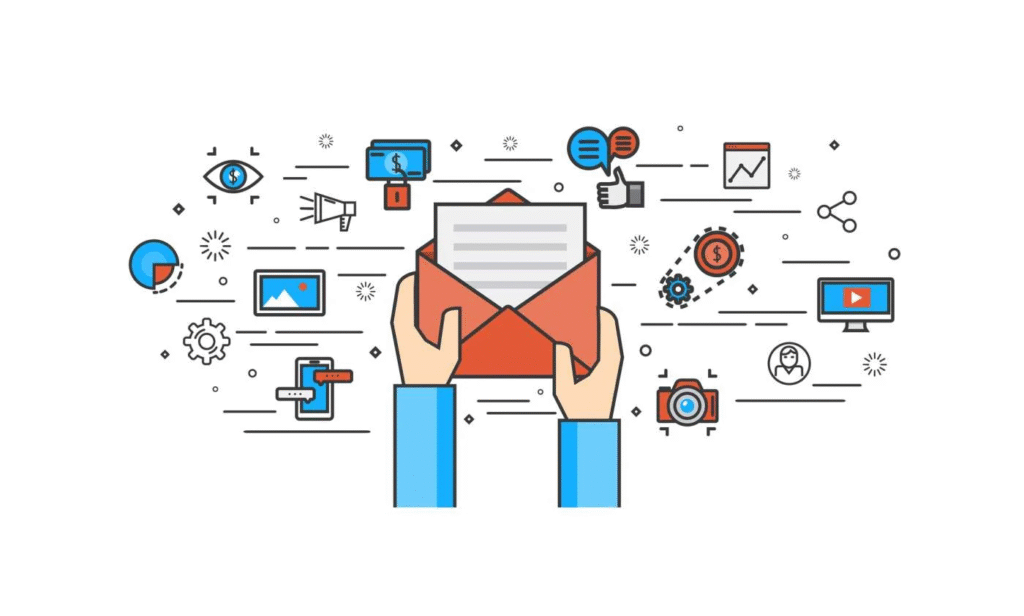
Lead generation is the lifeblood of any business. Whether you operate a SaaS company, e-commerce store, or B2B service, generating qualified leads is essential for driving revenue. However, not all leads are created equal. Invalid, fake, or inactive email addresses can damage your marketing efforts, waste sales resources, and slow down your pipeline. This is where email verification becomes a crucial step in modern lead management.
In this article, we’ll explore how email verification enhances lead quality, improves sales efficiency, and maximizes ROI from marketing campaigns.
The Challenge of Low-Quality Leads
Even with robust lead generation strategies, businesses often face low-quality leads. These can result from:
- Typographical errors in email addresses
- Fake or disposable emails used to bypass forms
- Outdated or inactive email accounts
- Bots creating multiple fake entries
Low-quality leads create several challenges, including wasted outreach efforts, inaccurate analytics, and poor marketing ROI. By verifying email addresses, businesses ensure that only legitimate leads enter their pipeline.
How Email Verification Improves Lead Quality
1. Removes Invalid and Inactive Emails
Email verification tools check whether an email address is correctly formatted, belongs to a valid domain, and is deliverable. Removing invalid and inactive emails ensures that your marketing and sales teams focus on leads that can actually engage.
2. Detects Disposable and Temporary Emails
Many prospects use temporary emails to access free content, trials, or promotions. Verification tools identify and filter these addresses, preventing fake or low-value leads from entering your CRM.
3. Prevents Spam Trap Issues
Spam traps are used by email providers to catch businesses sending to unverified or poor-quality lists. Verification helps identify risky addresses and protects your sender reputation.
4. Improves Data Accuracy for Lead Scoring
Accurate data is the foundation of effective lead scoring. Verified emails ensure that scoring is based on real, reachable prospects, enabling more efficient prioritization by sales teams.
Benefits of Email Verification for Sales and Marketing
1. Higher Engagement Rates
Verified leads are more likely to open emails, click links, and respond to campaigns. This increases engagement, builds trust, and strengthens the relationship between your brand and prospects.
2. Faster Sales Conversions
Sales teams waste less time chasing unreachable leads. Verified emails ensure that outreach efforts focus on qualified prospects, shortening sales cycles and improving conversion rates.
3. Reduced Marketing Costs
Sending emails to invalid addresses wastes both time and money. By cleaning your lead lists, email verification improves ROI on marketing campaigns and reduces email platform costs.
4. Accurate Reporting and Analytics
Verified emails provide reliable data for analytics and reporting. Businesses can make informed decisions, optimize campaigns, and identify high-performing strategies based on real engagement metrics.
5. Improved CRM Efficiency
Clean, verified data ensures that your CRM remains organized, accurate, and actionable. Automation workflows, drip campaigns, and lead nurturing sequences function more effectively when fed by valid contacts.
Real-Time vs. Batch Email Verification for Leads
Real-Time Verification
- Validates emails as prospects enter information
- Prevents fake or mistyped emails from entering your system
- Ensures accurate data capture at the source
Batch Verification
- Cleans existing lead lists in bulk
- Identifies inactive, invalid, or high-risk emails
- Prepares the database for campaigns and sales outreach
Using both methods ensures continuous data quality and a healthy lead pipeline.
Best Practices for Integrating Email Verification into Lead Generation
- Verify at Lead Capture: Implement real-time verification on signup forms, trial registrations, and landing pages.
- Regularly Clean Legacy Data: Schedule batch verifications to maintain an accurate and high-quality lead database.
- Block Disposable Emails: Prevent fake or temporary addresses from entering your system.
- Segment Verified Leads: Use verified data to prioritize high-value prospects for targeted campaigns.
- Monitor Engagement Metrics: Analyze campaign performance based on verified leads to make better marketing decisions.
These practices improve lead quality, reduce wasted effort, and maximize sales potential.
Industries That Benefit from Lead-Focused Email Verification
- SaaS Companies: Ensures trial users and signups are valid and reachable.
- E-Commerce: Maintains accurate customer contact lists for promotions and abandoned cart recovery.
- B2B Services: Prioritizes qualified leads for sales outreach and nurturing campaigns.
- Financial Services: Secures sensitive client communications and ensures compliance.
- Education & Nonprofits: Verifies subscriber lists for newsletters, campaigns, and outreach programs.
Across industries, verified leads increase engagement, reduce waste, and improve sales efficiency.
Conclusion
Email verification is a critical component of effective lead generation and sales pipeline management. By ensuring that email addresses are valid, active, and deliverable, businesses can:
- Improve lead quality
- Increase engagement and conversions
- Reduce marketing and operational costs
- Maintain accurate CRM data
- Protect their sender reputation
For businesses looking to scale and generate consistent revenue, email verification is not just a tool—it’s a strategic advantage. Verified leads allow marketing and sales teams to focus on real opportunities, optimize campaigns, and drive measurable business growth.
About the Author
